SUV Window Tint in Wilson, NC: Ceramic Options, Laws & 2026 Guide Drivers searching for SUV window tint in Wilson, NC face a unique challenge. Eastern North Carolina’s mix of heat and high humidity can make large vehicle cabins uncomfortable quickly. SUVs, with their larger glass surfaces, allow more heat to build up. This guide explains which window tint options work best in Wilson’s climate, how ceramic compares to carbon, and what current North Carolina tint laws mean for SUV owners. Why Ceramic Window Tint Is Ideal for Wilson SUVs Humidity makes heat feel more intense and longer-lasting inside a vehicle. Moist air retains warmth, which forces your A/C system to work harder to cool the cabin. Ceramic window tint is designed to reduce this effect by blocking infrared (IR) radiation (the part of sunlight responsible for heat buildup). Unlike standard dyed films, which mainly reduce brightness, ceramic films focus on limiting actual heat transfer. In the general sense, dyed films provide minimal IR rejection and may wear down faster under UV exposure, depending on quality. For SUVs with larger windows, this often results in limited real-world cooling. Nano-ceramic tint, however, offers stronger heat reduction, high UV protection, and clear visibility while staying within legal tint limits. For drivers who park outdoors regularly, this can mean faster cooldown times and improved comfort. Carbon vs. Ceramic: Which Should You Choose? SUV owners in Wilson often compare carbon and ceramic window tint when deciding on performance versus cost.Carbon film provides solid privacy and moderate heat reduction compared to basic dyed films. It’s a practical option for rear windows or for those working within a budget. However, performance can vary by manufacturer, especially under long-term sun exposure. Ceramic film delivers higher infrared rejection and better overall heat control. It also maintains color stability over time and does not interfere with GPS or mobile signals. For many SUV owners, a mixed approach works well. Using carbon for rear windows and ceramic for front windows and windshields where heat reduction matters most. Factory Privacy Glass vs. Aftermarket Tint Most SUVs come with factory-tinted rear glass, often called privacy glass. While it reduces visible light, it does not provide meaningful heat or UV protection. Factory glass is darkened using pigments, not heat-blocking technology. This means the interior can still absorb and retain heat throughout the day. Adding a clear or lightly tinted ceramic film over factory glass improves infrared and UV rejection without making the windows noticeably darker. This upgrade is especially useful for protecting passengers and interior materials from long-term sun exposure. Panoramic Roofs and Windshield Tinting SUVs often include additional glass surfaces like panoramic sunroofs and large windshields. These areas can significantly increase heat buildup if left untreated. Applying a clear ceramic film to a panoramic roof helps reduce heat while maintaining natural light inside the cabin. For windshields, a ceramic strip along the top (above the AS-1 line) reduces glare and limits heat near the dashboard without affecting visibility. Addressing these surfaces can improve overall cabin comfort, especially during peak summer conditions. What Professional SUV Tint Installation Includes Precision-Cut Film Professional installers use pre-cut film patterns designed for specific vehicle models. This ensures accurate fitment on large or curved SUV windows and reduces the risk of peeling or bubbling over time. Long-Term Warranty Coverage High-quality ceramic films typically include warranties covering issues like bubbling, peeling, and discoloration. This reflects both the durability of the film and the quality of installation. Frequently Asked Questions Does window tint still affect NC inspection in 2026? Window tint is no longer part of North Carolina’s vehicle inspection checklist as of late 2025. However, law enforcement can still issue citations for illegal tint levels. What is the legal tint limit in North Carolina? Front side windows must allow at least 35% visible light transmission (VLT). Rear windows on SUVs are less restricted, while windshield tint is limited to a strip at the top. What tint works best in humid climates? Ceramic tint performs well because it blocks infrared heat before it enters the vehicle, helping reduce overall cabin temperature even in humid conditions. Is factory privacy glass enough? No. Factory glass reduces brightness but does not block significant heat or UV radiation. Adding ceramic film provides actual thermal protection. 📞 Call *phone number* for a professional assessment of your SUV and find out which window tint solution offers the best balance of heat reduction, legal compliance, and long-term durability in Wilson, NC.
Best Window Tint for Windshields in Wilson, NC: Legal & Safe Options If you’re searching for the best window tint for windshields Wilson NC drivers can legally use, this guide is designed to help. With North Carolina’s humid summers, glare on Highway 264, and the 2026 NC windshield tint law, it’s crucial to understand what’s allowed. We’ll cover legal options, heat-reducing films like HITEK Films , and practical tips for staying compliant while protecting your car’s interior. North Carolina Windshield Tint Laws: What’s Legal in 2026? Windshield tinting in North Carolina is strictly regulated to ensure driver visibility and safety. The updated NC windshield tint law 2026 under NC General Statute 20-127 prioritizes these factors, making it essential for Wilson drivers to know the limits. The AS-1 Line Rule: Why Dark Tint Stops at the Top 5 Inches The AS-1 line North Carolina mark, etched near the top of most windshields, defines where non-reflective dark tint is allowed. Legally, tint may only cover the top 5 inches or above the AS-1 line. Tint below this line violates visibility standards and can lead to fines or citations. Identifying the AS-1 line is straightforward: check the upper corners or along the top edge of your windshield. Any tint applied below this point must remain effectively clear. Clear UV Film Loophole: Legal Full-Windshield Protection in NC North Carolina law allows clear UV window film NC across the full windshield, provided it doesn’t reduce visible light transmission. High-VLT (70%+) clear ceramic tints, such as those made by HITEK Films , block ultraviolet rays and reject infrared heat without appearing dark. Benefits of full-windshield clear film include: Reduces cabin heat and AC load Protects dashboard and interior surfaces from sun damage Remains invisible to law enforcement and compliant with NC GS 20-127 This option gives Wilson drivers maximum comfort and protection while staying fully legal. Why Wilson Drivers Choose Ceramic for Heat & Glare Relief Eastern North Carolina’s combination of heat and humidity makes effective windshield film essential. Proper tint reduces interior temperatures, minimizes glare, and protects vehicle interiors without breaking the law. Eastern NC Humidity & Heat: IR Rejection Beats Darkness Infrared (IR) energy causes interior heat buildup independent of visible light. Nano-ceramic films block IR efficiently, keeping dashboards, steering wheels, and seats cooler, even in lighter shades. For Wilson drivers, this means comfortable cabins and reduced AC strain, all while remaining compliant. Reducing Glare on Highway 264: Comfort for Daily Commutes High-VLT ceramic tints filter harsh sunlight and glare during commutes on Highway 264 and surrounding routes. These films maintain clear visibility in low-light or rainy conditions, improving driver comfort and safety throughout Eastern NC’s sunny days. Ceramic vs. Carbon: Best Windshield Film for Wilson Choosing the right material affects heat rejection, clarity, and longevity. Both ceramic and carbon films offer non-reflective, legal options. Nano-Ceramic – Top Choice for Heat & UV Block Nano-ceramic tints, such as those from HITEK Films , provide: Superior IR and UV rejection High-VLT options that maintain near-clear appearance Minimal fading or color change over time These properties make nano-ceramic the top choice for full-windshield applications, maximizing heat reduction while staying legal. Carbon – Solid Mid-Tier Option Without Signal Issues Carbon films are a cost-effective alternative that resists fading, reduces glare, and avoids interference with electronic signals. While they may not reject as much IR heat as ceramic, carbon tints still protect interiors and comply with NC law when applied above the AS-1 line or as clear UV film. Passing Wilson NC Vehicle Inspection with Tint Although North Carolina inspections no longer routinely test tint as of December 2025, compliance remains enforceable during traffic stops. Officers may use meters to ensure legal limits are observed. Post-2025 Changes: No Routine Tint Meter, But Still Enforceable Wilson inspection stations now focus on other safety items. Illegal dark tint may not trigger a routine fail, but law enforcement can still issue citations.Using high-VLT clear or ceramic films ensures compliance while avoiding potential tickets. 3% Variance: Why 32% Sides Often Pass Side windows must allow at least 35% visible light transmission, but NC law allows a 3% meter variance. Tint that measures around 32% on approved meters is generally within tolerance. Windshield clear films remain well above legal limits, minimizing risk during traffic stops. FAQs Can I tint my entire windshield in North Carolina? No, dark tint is allowed only above the AS-1 line or within the top 5 inches. What is the “AS-1 line” on my windshield? It is the manufacturer’s etched marking near the top, indicating the cutoff for non-reflective dark tint. What happens if my tint is too dark for NC enforcement? Even after inspections stopped measuring tint, officers can cite violations under NC GS 20-127, with potential fines and penalties. Does clear ceramic tint block heat effectively? Yes. IR-rejecting ceramic films, like those from HITEK Films , reduce interior heat more efficiently than traditional dark tints while remaining clear and legal. Do I need to roll down my windows if pulled over in Wilson? Yes. Under 2026 law, drivers with tinted windows must roll them down when approached by law enforcement to allow clear inspection. 👉 Call *phone number* and get professional advice or a quote for legal, high-VLT ceramic or carbon windshield films in Wilson, NC.
Wilson, NC Window Tint Durability: Key Insights If you’re researching how long window tint lasts in Wilson, NC, the answer depends on several local and material-specific factors. Eastern North Carolina’s mix of strong summer sun, high humidity, seasonal pollen, and temperature swings creates conditions that directly affect window tint lifespan. This guide explains realistic expectations for tint longevity in Wilson, how different film types perform, and what causes tint to age prematurely. Average Window Tint Lifespan in Wilson, NC In Wilson, window tint lasts several years if professionally installed and maintained. Lifespan varies by film type, sun exposure, environmental stress. Outdoor vehicles or sunny buildings wear faster than shaded/covered ones. Distinguish appearance from performance lifespan: tint may look good but lose heat/UV rejection. In humid Wilson, performance fades before visual damage. Why Wilson’s Climate Affects Window Tint Longevity Wilson’s location in eastern North Carolina exposes window film to conditions that gradually weaken materials and adhesives. Heat and UV Exposure While Wilson does not experience desert-level heat, prolonged summer sun still delivers consistent UV exposure. Over time, UV radiation breaks down window film layers, especially in products not designed for long-term solar resistance. This breakdown can reduce heat control and cause visible aging. High Humidity and Moisture Humidity is one of the most overlooked factors affecting window tint lifespan in Wilson. Moisture in the air slows adhesive curing and increases the risk of long-term adhesion issues. Even after curing, repeated exposure to humid conditions can weaken adhesive bonds, particularly along edges. Seasonal Temperature Changes North Carolina’s seasonal shifts, from hot summers to cooler winters, cause repeated expansion and contraction of glass. This movement places stress on the tint’s adhesive layer, which can lead to bubbling or peeling as the film ages. How Long Different Window Tint Types Last Material choice plays a major role in how well window tint performs over time in Wilson’s climate. Dyed Window Tint Dyed window tint uses colorants to reduce glare and light transmission.In a general sense, dyed films may fade or discolor over time when exposed to consistent sunlight, although results depend heavily on the manufacturer and product quality. As dyes degrade, the film may lose clarity and become less effective at managing heat.A more durable alternative is advanced, non-dyed film technology, such as those made by HITEK Films , which are made to reduce heat without relying on dyes that are more susceptible to UV breakdown. Carbon Window Tint Carbon window tint replaces dyes with carbon-based materials, improving color stability and overall durability. These films typically maintain a consistent appearance longer than dyed options and provide reliable UV protection. In Wilson’s climate, carbon tint offers a solid balance between longevity and performance, especially for drivers seeking improved stability without metallic components. Ceramic Window Tint Ceramic window tint is considered the most durable option for humid, sun-exposed regions. It uses microscopic ceramic particles to block heat and UV energy rather than absorbing it. This construction helps the film maintain performance, clarity, and color stability over time, even with frequent exposure to sunlight and moisture. Signs Window Tint Needs Replacement Window tint rarely fails suddenly. Gradual changes often signal when replacement should be considered. Bubbling or blistering caused by adhesive separation Peeling edges, especially along the top of windows Color changes, such as a purplish or brown tint Hazy or distorted visibility, particularly noticeable at night Reduced interior comfort due to declining heat control Addressing these issues early helps maintain visibility and consistent performance. How to Extend Window Tint Lifespan in Wilson While climate factors cannot be controlled, proper care significantly influences how long window tint lasts. Use the Right Cleaning Products Ammonia-based cleaners can degrade window film and weaken adhesives over time. Ammonia-free glass cleaners are safer for tinted windows and help preserve both appearance and adhesion. Allow Proper Curing Time After installation, windows should remain closed for several days to allow the adhesive to cure fully. In humid conditions like Wilson’s, curing may take longer than expected, and patience during this period helps prevent long-term issues. Reduce Heat Stress When Possible Using windshield sunshades, parking in shaded areas, and allowing interior temperatures to stabilize before heavy cooling all reduce thermal stress on window film. FAQs Does humidity shorten window tint lifespan in Wilson, NC? Yes. High humidity affects adhesive curing and long-term bonding, which can reduce lifespan if the film is not designed for moisture-prone environments. Is ceramic window tint a good option for North Carolina weather? For many drivers, ceramic tint offers strong durability and consistent performance in humid, sun-exposed conditions. How long should windows stay closed after tinting? Windows should remain closed for several days to allow proper adhesive curing, especially during humid weather. Can old tint become non-compliant with North Carolina tint laws? Yes. As tint ages, its light transmission can change, which may lead to compliance issues over time. 📞 Call *phone number* and get professional advice on window tint longevity, performance expectations, and film options suited for Wilson, NC’s climate and driving conditions.
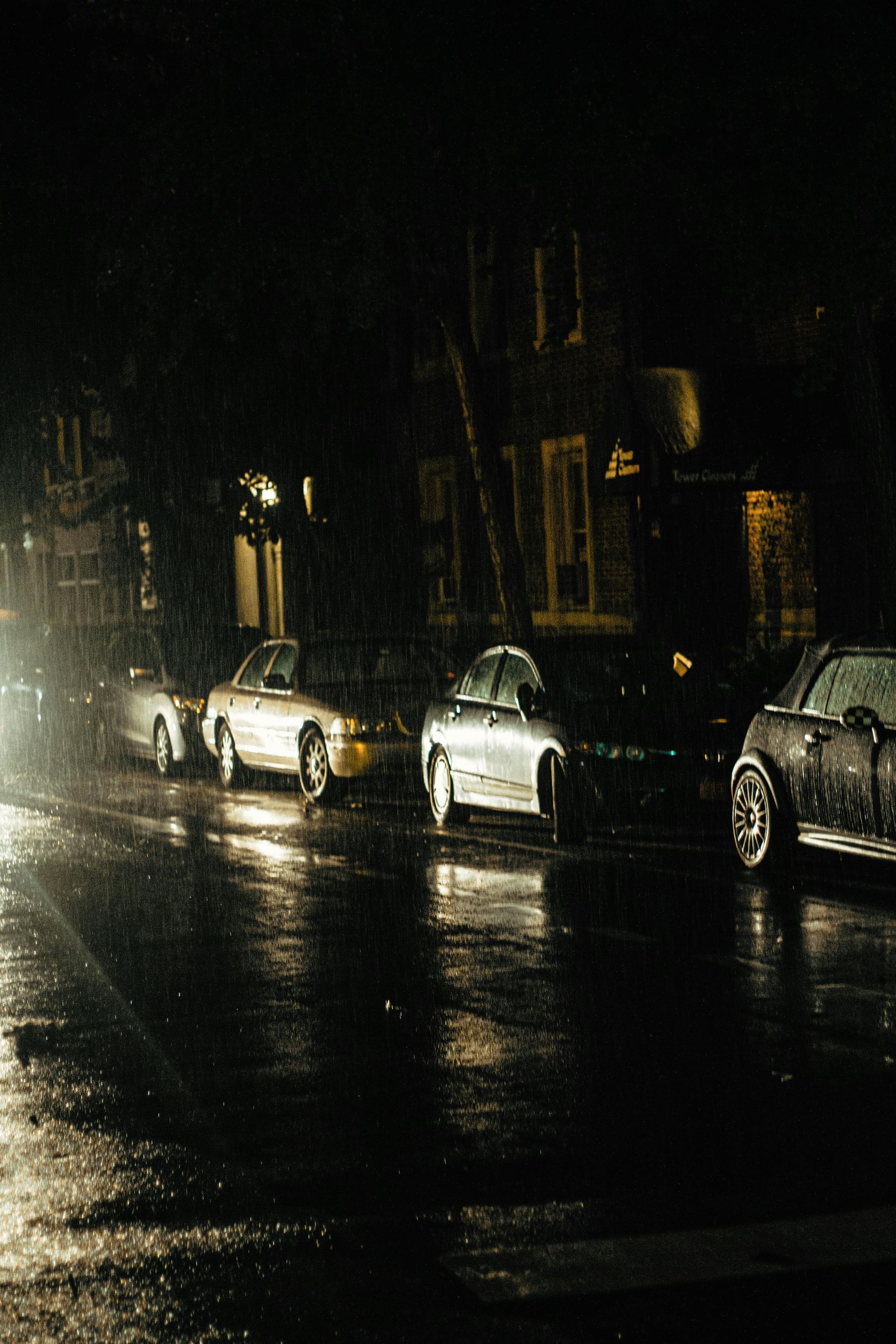
Window Tint and Night Visibility: Truth for Wilson, NC Rainy Rural Roads Wilson, NC drivers wonder if window tint cuts night visibility on rural roads. It balances daytime sun protection with safe driving in rain and fog. Roads range from lit US-264 to dark NC-42 where spotting hazards matters. Premium films keep high clarity and low distortion at moderate VLT. They support safe night drives without losing benefits.Pick based on VLT, quality, type, and local wet weather. Understanding Window Tint’s Night Visibility Impact Window tint cuts incoming light and affects night vision based on VLT percentage. VLT measures light passing through film and glass. Higher VLT lets in more light for clear views. Lower VLT darkens things and hurts low-light driving. Quality films give sharp clarity without signal issues. They’re ideal for Wilson’s highways and rural routes. They cut headlight glare while keeping views crisp from sunny days to rainy, foggy nights. Does Window Tint Impact Nighttime Visibility? Different VLT levels create clear nighttime effects. Premium 35% films cut glare with little visibility loss. Top films keep strong clarity in humid, low-light areas.Tint reduces light 15-50% based on VLT, worsening dark rural roads or rain in Wilson. Glare drops but hazard spotting slows on unlit routes. Visibility stays good in lit zones with clean windows and careful driving. It can’t fully beat fog or heavy rain. North Carolina Night Comparison: Window Tint vs Carbon and Other Types Ceramic vs regular tint NC shows clear superiority. Dyed or basic films may fade or develop haze, though quality options exist. Carbon improves on dyed with moderate clarity but falls short of ceramic’s minimal distortion and strong glare reduction. Dyed, basic, or metallic options depend on manufacturer quality. Some fade, haze, or distort over time. Carbon offers moderate clarity but lacks ceramic’s sharpness. HITEK Films’ Ceramic films deliver maximum clarity, stability, and top night driving performance in North Carolina’s humid climate. Benefits of Window Tint Specifically for Wilson Drivers Quality tint cuts glare from oncoming headlights and prevents eye strain on rural night roads. UV protection saves interiors from sun fading. Less distortion helps navigation in mixed lighting for safer wildlife-area drives. Legal non-reflective windshield strips above the AS-1 line reduce glare without darkening views. North Carolina allows top-portion tint. These boost visibility with no legal worries, trading higher cost for daily safety in rain. Is Window Tint Worth It for Night Driving in Wilson? Window tint cuts glare but won’t fix visibility in pitch-black or rainy areas. Darker tints boost shadows from water scatter and dim lights. Use adaptive driving or brighter routes with your tint. Avoid expecting perfect night vision without eye adjustment. Premium films offer clarity, lifetime warranties, and haze resistance for NC humidity. Choose moisture-proof options for long-term performance. Top Wilson NC tint prioritizes UV protection and durability for local night driving needs.
Does Ceramic Window Tint Actually Keep Wilson, NC Cars Cooler? Wilson NC summers bring average highs of 88-90°F in July, with humidity often pushing the heat index over 100°F and peaks reaching the mid-90s or higher. Many local drivers wonder if ceramic window tint Wilson NC truly reduces interior heat in this sticky climate or if it’s overhyped. Yes, premium nano-ceramic films block significant heat through strong infrared heat rejection, typically 90%+ IR, resulting in cooler cabins and less AC strain. Results depend on film quality, installation, and humid conditions. HITEK Films ’ nano-ceramic lines, like Ceramic Ultra and Ceramic IR, offer reliable performance for North Carolina’s humid summers. What Is Ceramic Window Tint and How Does It Work? Nano-Ceramic Technology Explained Ceramic window tint Wilson NC uses tiny nano-ceramic particles to target infrared heat rejection, the primary way sunlight transfers radiant heat into your vehicle. Unlike metalized films that can interfere with signals, this non-metallic approach blocks heat without affecting GPS, cell phones, or radio. HITEK Films ’ Ceramic Ultra delivers up to 96% IR rejection at 1025nm and 71% total solar energy rejection (TSER), while Ceramic IR provides 75% broad-range rejection across 740-2500nm. This technology rejects solar energy right at the glass, addressing North Carolina humidity tint challenges effectively by preventing heat buildup before it penetrates the cabin. Does Ceramic Tint Actually Block Heat? Real Performance Stats IR Rejection, TSER, and Heat Reduction Numbers Quality ceramic tint heat rejection delivers measurable results. HITEK Films ’ Ceramic Ultra reaches up to 71% TSER and 96% IR rejection, with 99% UV block across shades. The Ceramic Plus line offers 90-92% IR rejection and 61-69% TSER depending on VLT. These premium films consistently achieve higher performance than basic options in blocking radiant heat block NC. How Much Cooler Does Your Car Get in Wilson? Ceramic tint reduces car interior temperature by 15-30°F after parking in humid 90°F+ sun. Wilson and Raleigh-area drivers report less sweaty entry and reduced initial AC blast. Interiors stay measurably cooler in humid NC heat, though parked vehicles exposed all day are still warm from convection and road heat. Ceramic Tint vs Regular, Carbon, and Other Tints in North Carolina Heat Why Ceramic Wins for Humid Summers Ceramic vs regular tint NC shows clear advantages. Dyed or basic films can offer limited IR block and may fade depending on the manufacturer, while carbon provides moderate improvement over dyed options but trails ceramic’s 90%+ IR and superior TSER. Metalized films risk signal disruption. In North Carolina’s humid climate, ceramic vs carbon tint favors ceramic for maximum heat block NC, stability, and performance, making it the best tint for North Carolina heat. Premium nano-ceramic options, such as those made by HITEK Films , maintain color stability and heat rejection performance even under prolonged exposure to humidity and UV radiation. Benefits of Ceramic Tint Specifically for Wilson Drivers UV Protection, Glare Reduction, and AC Savings HITEK Films reject 99% UV rays, protecting interiors from fading and cracking in humid NC sun. Glare drops significantly for safer drives on bright summer days. Reduced cabin heat lightens AC demands, practical benefits include lower fuel use from shorter cooldowns in Wilson traffic and Raleigh-area summers. Less AC runtime translates to measurable fuel savings in NC summers by cutting cool-down demands when paired with smart habits. Windshield Options for Maximum Heat Block Clear nano-ceramic films like HITEK Films ’ Ceramic Clear (42% TSER) maximize infrared heat rejection without darkening.North Carolina law allows non-reflective tint above the AS-1 line (top 5-6 inches) or fully clear UV/IR films across the windshield if they don’t reduce VLT below legal limits. These films deliver substantial cooling with no visibility issues or enforcement concerns, ideal for humid glare conditions. The trade-off is higher upfront investment versus daily comfort improvements and long-term AC savings. Is Ceramic Window Tint Worth It in Wilson? Pros and Cons Limitations and Realistic Expectations Ceramic tint slows heat buildup dramatically but doesn’t eliminate it. Prolonged exposure in humid conditions means parked cars still warm from convection and road heat. Pair with shade parking or ventilation. Avoid expecting zero heat without airflow. In North Carolina humidity, low-quality films can risk bubbling from moisture depending on the manufacturer, choosing premium brands prevents this. Quality installation matters as much as film choice. Poor surface prep or installation technique can compromise performance regardless of film quality. Choosing the Best Ceramic Tint Brands for North Carolina HITEK Films stands out with Ceramic Ultra (96% IR, 71% TSER, lifetime warranty) and Ceramic IR (75% IR, color-stable). These films match or exceed premium options in humid conditions. Prioritising warranties covering moisture and UV, HITEK Films ’ lifetime coverage supports long-term durability in North Carolina’s climate. Request exact IR/TSER numbers and verify broad-range rejection. Premium nano-ceramic films, such as those made by HITEK Films , deliver superior ceramic tint Wilson NC results with proven performance data.
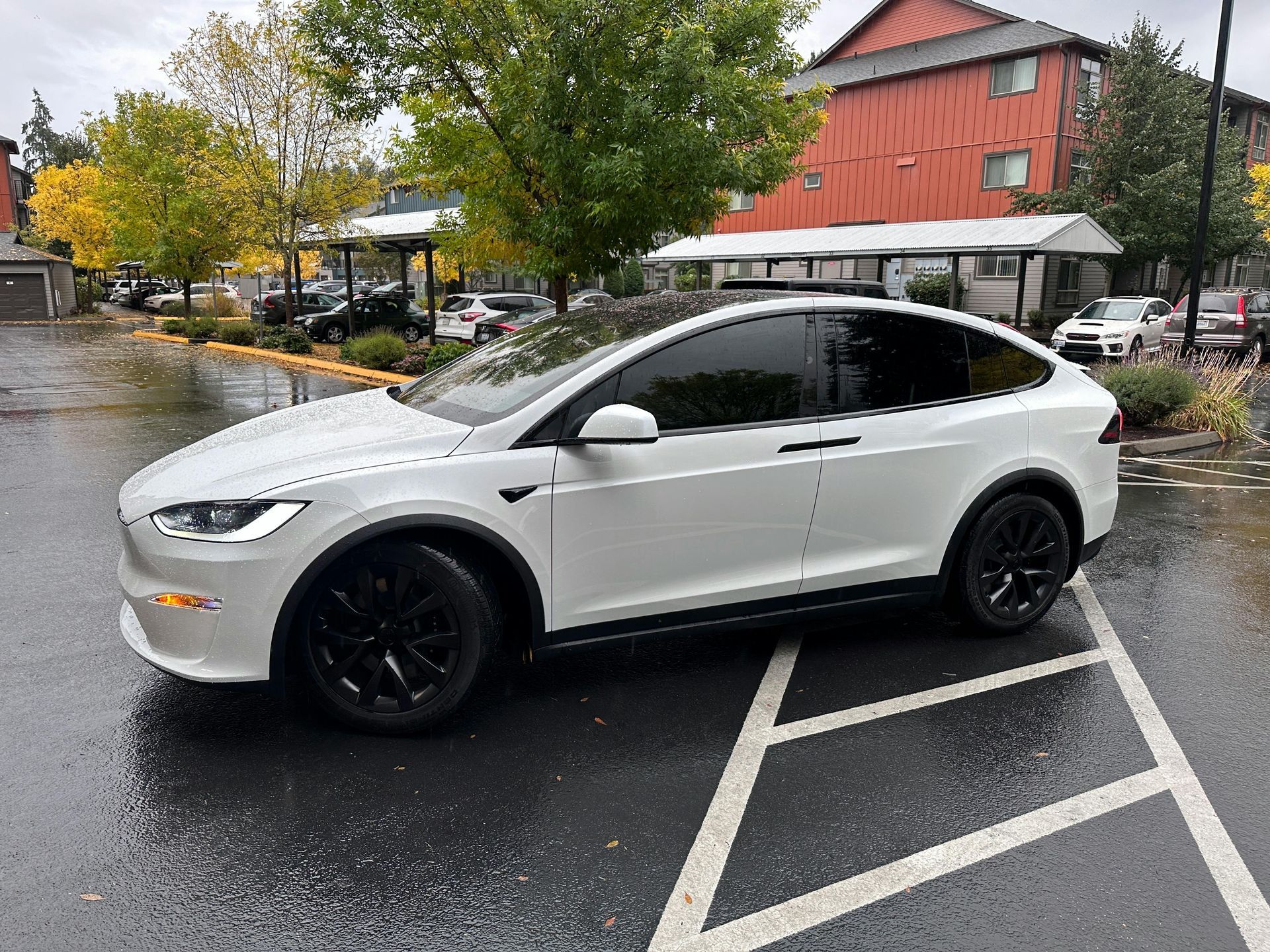
A Wilson Driver’s Guide to Quality vs. Cheap Window Tint Many local drivers ask is cheap window tint a waste of money in Wilson NC after seeing early fading, haze, or bubbling only months after installation. Wilson’s humid summers, high UV exposure, and changing enforcement practices make film quality and installation method more important than price alone Understanding North Carolina window tint laws 2026 and how different films perform in this climate helps prevent repeat installations and avoidable compliance issues. This guide examines durability, legality, and long-term value for drivers in Wilson. Why Budget Window Tint Struggles in Wilson’s Climate Is cheap window tint a waste of money in Wilson NC? The question usually follows a low-cost install done in a driveway, parking lot, or temporary setup. Eastern North Carolina’s humidity and airborne pollen settle quickly on glass surfaces before the film cures. When contamination becomes trapped under the film, adhesion weakens and visual defects develop. Comparing DIY window tint vs professional installations shows how controlled environments, proper surface prep, and stable curing conditions directly affect how long a film remains clear and bonded. Why Low-Quality Tint Discolors Over Time Ceramic vs dyed window tint explains much of the long-term difference drivers see after the first year. In a general sense, dyed films may fade or discolor over time depending on the manufacturer and material quality. Organic dyes break down under prolonged UV exposure, leading to purple or brown tint and reduced visibility. A more stable alternative is advanced ceramic construction, such as those made by HITEK Films , which uses inorganic particles designed to resist UV degradation and preserve color neutrality in high-sun environments like Wilson. Heat Control on US-264: Infrared vs. Shade Darkness alone does not determine cooling performance. Infrared (IR) heat rejection controls how much thermal energy enters the cabin. Dyed films absorb heat and release it inward, while ceramic films reflect and block infrared energy before it passes through the glass. Carbon window tint benefits provide moderate improvement over dyed films and deliver better UV protection for cars in NC.For daily commuting on US-264, consistent IR control reduces interior heat buildup and stabilizes cabin temperatures. The Long-Term Cost of “Cheap” Low upfront pricing often shifts costs to the second installation. Once a film bubbles, fades, or becomes non-compliant, removal becomes unavoidable. Removal and Repair Add Up Window tint removal cost Wilson NC depends on film age, adhesive condition, and the number of windows involved.Improperly cured adhesives in humid conditions are harder to remove and may require bubbling window tint repair or complete replacement. Trade-In Value and Appearance Bubbled or discolored tint lowers perceived vehicle condition at Wilson-area dealerships. Even when mechanical condition is good, poor-quality tint suggests deferred maintenance.

Aftermarket tint vs. Factory tint: What’s The Difference For Driving In Wilson, NC? If you recently bought a vehicle in Wilson or moved to North Carolina, dark rear windows may look protective. Many drivers still wonder if factory glass meets legal limits and reduces heat on Highway 264. This guide explains the real difference between factory tint vs aftermarket tint. It also covers the 2026 North Carolina law update and what it means for Wilson drivers. Understanding Factory “Privacy Glass” Factory privacy glass is glass dyed during manufacturing. Automakers install it on rear windows of many SUVs and minivans for visual consistency. The glass looks dark but includes no applied film or solar control layer. Why Factory Tint Doesn’t Block Heat Privacy glass is colored glass, not heat rejection technology. It blocks little infrared energy, which causes most cabin heat.Without a strong Total Solar Energy Rejection rating, heat passes through easily during humid North Carolina summers. Is factory tint legal in North Carolina? Factory-installed privacy glass is legal because it comes built into the vehicle. This glass usually appears only on rear windows.Front side windows must still meet North Carolina’s minimum light transmission rules. Why Aftermarket Ceramic Tint Wins in Wilson Aftermarket window film is applied to existing glass. HITEK Films offers ceramic and nano-ceramic films that are designed for heat rejection and UV protection and focus on performance instead of darkness. Fighting the NC Humidity: Why film quality matters Wilson’s humidity breaks down low-grade dyed films. This often causes haze, bubbling, or peeling as adhesives fail.Ceramic tint vs privacy glass shows a clear advantage in humid climates because ceramic films stay stable and clear. UV vs. IR: Protecting your skin and your dashboard Premium ceramic films block 99 percent of ultraviolet rays. This helps prevent dashboard cracking, seat fading, and skin damage.They also block infrared radiation, which raises cabin temperatures even when windows appear shaded. IMPORTANT: 2026 North Carolina Window Tint Law Update Drivers should confirm with the NC DMV or local law enforcement on how tint enforcement works as of December 2025. These updates affect inspections and roadside stops. Anyone searching for Wilson NC window tint inspection rules should understand the new process. The end of the $10 tint inspection fee Tint checks no longer occur during annual safety inspections. Drivers no longer pay the extra ten-dollar fee during registration renewal.Law enforcement now handles tint compliance during traffic stops. The “Officer Approach” Law: What you need to do during a traffic stop Under NC window tint laws 2026, drivers must roll down tinted windows when approached by police. This requirement improves officer visibility into the vehicle.Failure to comply may lead to enforcement actions, even if your tint meets VLT limits. Factory vs. Aftermarket: Side-by-Side Comparison Factory privacy glass offers visual privacy but limited heat and UV control. Its performance cannot be adjusted and declines in humid climates.Aftermarket ceramic film provides strong heat rejection, high UV protection, and flexible VLT options. It must meet the 32% VLT North Carolina limit on front side windows. How to Stay Legal in Wilson, NC Understanding VLT math matters before adding film. Factory glass often measures near 70% light transmission.Adding a 35% film over factory glass reduces total transmission to about 25%, which is illegal in North Carolina. The AS-1 Line: Windshield rules you can’t ignore North Carolina only allows non-reflective tint above the AS-1 line on windshields. Tinting below this line violates state law. Clear ceramic windshield film remains an option when installed above the AS-1 mark. Passenger Cars vs. SUVs: Knowing your vehicle’s limits Passenger cars must maintain at least 32% VLT on all side and rear windows. SUVs and vans follow different rules. Multipurpose vehicles may use any darkness on rear windows. The front two side windows must still meet the 32% requirement. Wilson, NC Tint FAQs Do I still pay for a tint inspection in 2026? No. The inspection fee ended December 1, 2025. Can I tint over factory privacy glass? Yes. Many drivers add ceramic film to improve heat rejection on rear windows. What is the darkest legal tint in Wilson, NC? Front side windows must measure at least 32% VLT using a light meter.
Best-Rated Window Tint Shop in Wilson, NC (Key Things to Know First) You’re looking for the best window tint shop in Wilson, NC because you want tint that holds up in hot, humid weather and stays legal. Many drivers choose the cheapest option and end up with bubbling film or tickets under North Carolina law. With the 2025 tint law changes, picking the right shop matters more than ever. This guide explains what to check before you commit. Why Quality Tinting Matters in Wilson’s Climate Wilson’s heat and humidity are tough on cheap window film. Low-quality adhesive breaks down fast. Heat and UV rays slip through, leading to faded interiors and peeling edges. The best window tint shop in Wilson NC uses film made for humid conditions. High TSER (Total Solar Energy Rejected) ratings help reduce heat and allow the film to cure properly in North Carolina weather. 4 Things to Look For in a Wilson Tint Professional 1. Knowledge of the 2025 NC Window Tint Law Changes North Carolina window tint law changes in 2025 removed tint checks from annual safety inspections starting December 1. This does not mean illegal tint is allowed. Police can still enforce the 35% VLT rule during traffic stops. A good shop explains this clearly and tells you about the required roll-down rule, which allows officers to measure tint correctly. 2. Dust-Free, Climate-Controlled Installation Bays Dust and moisture ruin tint jobs. In Wilson’s humidity, open or uncontrolled bays often lead to bubbles and cloudy film.Trusted shops use sealed, climate-controlled install bays. Most are happy to show them because clean conditions are a sign of quality work. 3. Brand Certification (HITEK Films) Certified window tinting NC professionals receive manufacturer training and access to premium films like HITEK Films.Shops without certification often use generic film with limited support. Always ask for proof of certification and confirm it if needed. 4. Experience with Trucks and SUVs Wilson has many trucks, farm vehicles, and SUVs. These vehicles often have dot matrix rear glass that needs precise cutting to avoid gaps. Experienced shops also understand the legal differences. Sedans must meet 35% VLT on all windows. Trucks and SUVs can use darker rear glass. Computer-cut film patterns are a strong sign of professional work. Ceramic vs. Carbon: Which Is Right for North Carolina? Ceramic window tint Wilson NC drivers choose uses nano-ceramic particles to block infrared heat without metal. This means higher TSER ratings and no signal issues. Carbon film costs less and works better than dyed tint, but it usually blocks 10–15% less heat. For Wilson’s long, humid summers, ceramic offers better comfort and lasts longer. The 2025 NC Tint Law Update: What Every Wilson Driver Needs to Know Why Tint No Longer Fails Safety Inspections As of December 2025, window tint is no longer checked during North Carolina safety inspections. Inspectors now focus on mechanical and lighting issues.This does not stop police from enforcing tint laws during traffic stops. Mandatory Traffic Stop Rules (The Roll-Down Requirement) Drivers must fully roll down their windows during traffic stops. This allows officers to measure tint correctly.Not following this rule can lead to extra fines or delays. Red Flags to Avoid When Choosing a Shop in Wilson Avoid shops without a fixed location or those that refuse to show their install area. Hand-cut film often causes uneven edges and bubbles over time.If a shop rushes answers or avoids questions, look elsewhere.