
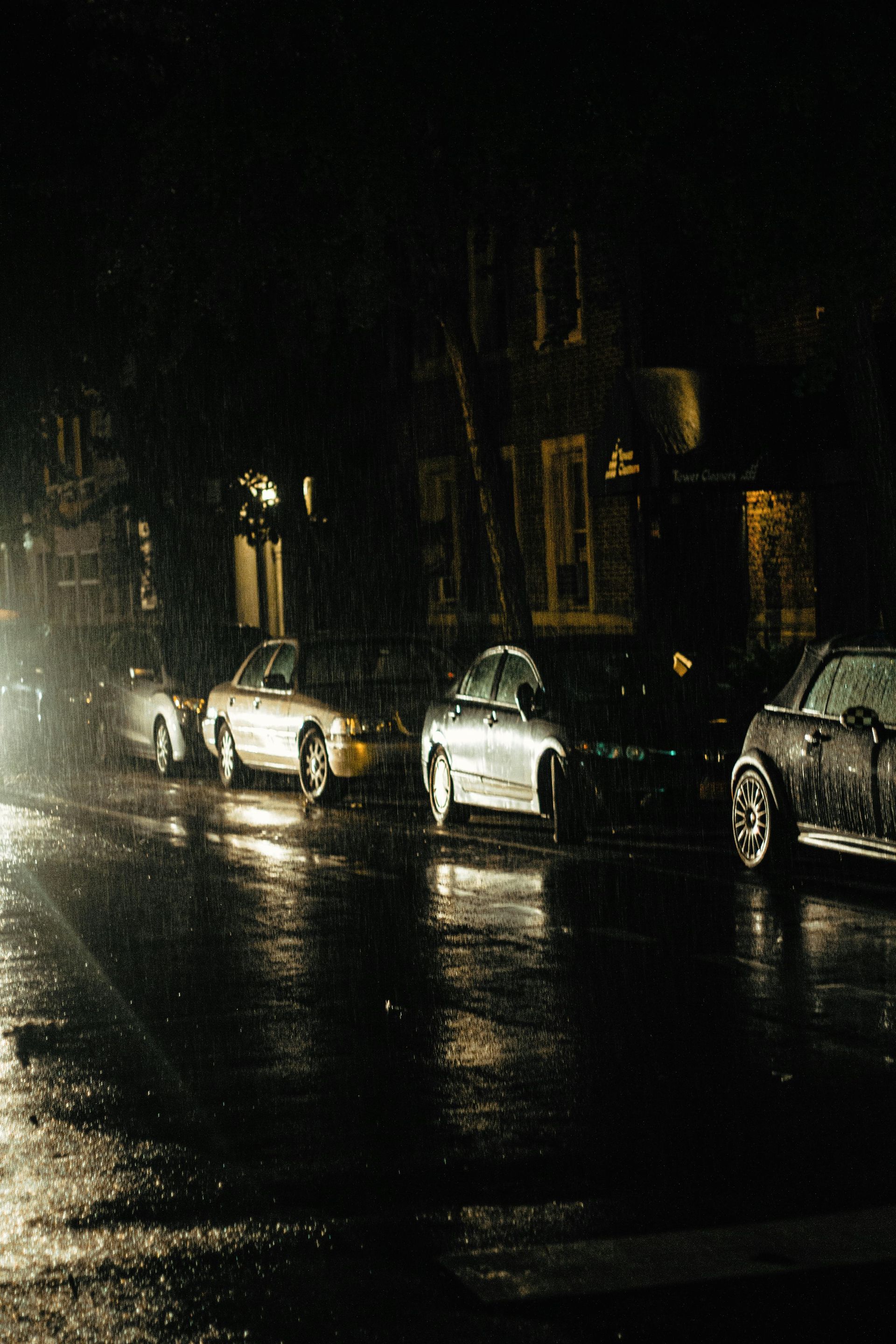
Window Tint and Night Visibility: Truth for Wilson, NC Rainy Rural Roads Wilson, NC drivers wonder if window tint cuts night visibility on rural roads. It balances daytime sun protection with safe driving in rain and fog. Roads range from lit US-264 to dark NC-42 where spotting hazards matters. Premium films keep high clarity and low distortion at moderate VLT. They support safe night drives without losing benefits. Pick based on VLT, quality, type, and local wet weather. Understanding Window Tint’s Night Visibility Impact Window tint cuts incoming light and affects night vision based on VLT percentage. VLT measures light passing through film and glass. Higher VLT lets in more light for clear views. Lower VLT darkens things and hurts low-light driving. Quality films give sharp clarity without signal issues. They’re ideal for Wilson’s highways and rural routes. They cut headlight glare while keeping views crisp from sunny days to rainy, foggy nights. Does Window Tint Impact Nighttime Visibility? Different VLT levels create clear nighttime effects. Premium 35% films cut glare with little visibility loss. Top films keep strong clarity in humid, low-light areas. Tint reduces light 15-50% based on VLT, worsening dark rural roads or rain in Wilson. Glare drops but hazard spotting slows on unlit routes. Visibility stays good in lit zones with clean windows and careful driving. It can’t fully beat fog or heavy rain. North Carolina Night Comparison: Window Tint vs Carbon and Other Types Ceramic vs regular tint NC shows clear superiority. Dyed or basic films may fade or develop haze, though quality options exist. Carbon improves on dyed with moderate clarity but falls short of ceramic’s minimal distortion and strong glare reduction. Dyed, basic, or metallic options depend on manufacturer quality. Some fade, haze, or distort over time. Carbon offers moderate clarity but lacks ceramic’s sharpness. HITEK Films’ Ceramic films deliver maximum clarity, stability, and top night driving performance in North Carolina’s humid climate. Benefits of Window Tint Specifically for Wilson Drivers Quality tint cuts glare from oncoming headlights and prevents eye strain on rural night roads. UV protection saves interiors from sun fading. Less distortion helps navigation in mixed lighting for safer wildlife-area drives. Legal non-reflective windshield strips above the AS-1 line reduce glare without darkening views. North Carolina allows top-portion tint. These boost visibility with no legal worries, trading higher cost for daily safety in rain. Is Window Tint Worth It for Night Driving in Wilson? Window tint cuts glare but won’t fix visibility in pitch-black or rainy areas. Darker tints boost shadows from water scatter and dim lights. Use adaptive driving or brighter routes with your tint. Avoid expecting perfect night vision without eye adjustment. Premium films offer clarity, lifetime warranties, and haze resistance for NC humidity. Choose moisture-proof options for long-term performance. Top Wilson NC tint prioritizes UV protection and durability for local night driving needs.
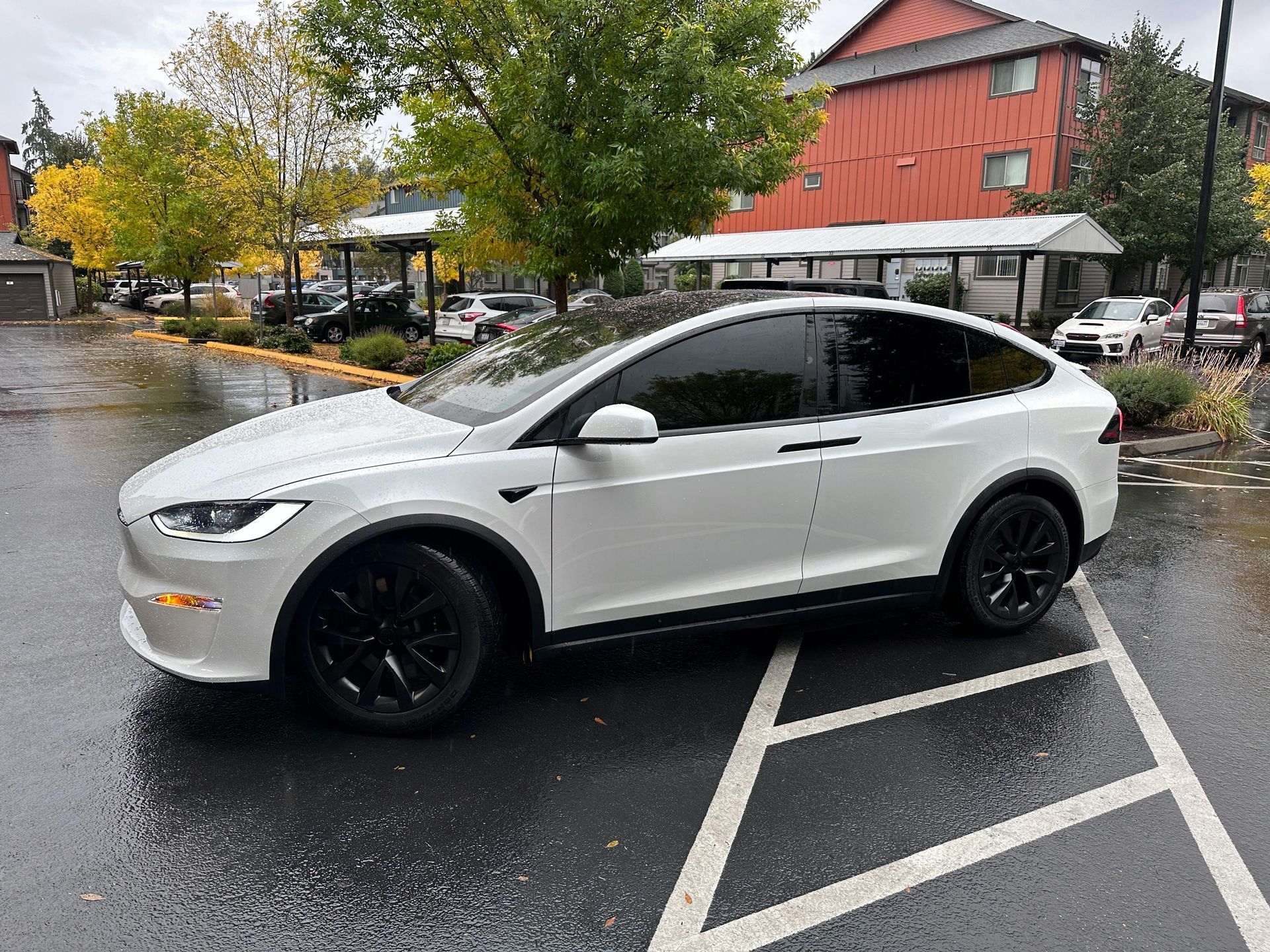
Wilson, NC Window Tint Durability: Key Insights If you’re researching how long window tint lasts in Wilson, NC, the answer depends on several local and material-specific factors. Eastern North Carolina’s mix of strong summer sun, high humidity, seasonal pollen, and temperature swings creates conditions that directly affect window tint lifespan. This guide explains realistic expectations for tint longevity in Wilson, how different film types perform, and what causes tint to age prematurely. Average Window Tint Lifespan in Wilson, NC In Wilson, window tint lasts several years if professionally installed and maintained. Lifespan varies by film type, sun exposure, environmental stress. Outdoor vehicles or sunny buildings wear faster than shaded/covered ones. Distinguish appearance from performance lifespan: tint may look good but lose heat/UV rejection. In humid Wilson, performance fades before visual damage. Why Wilson’s Climate Affects Window Tint Longevity Wilson’s location in eastern North Carolina exposes window film to conditions that gradually weaken materials and adhesives. Heat and UV Exposure While Wilson does not experience desert-level heat, prolonged summer sun still delivers consistent UV exposure. Over time, UV radiation breaks down window film layers, especially in products not designed for long-term solar resistance. This breakdown can reduce heat control and cause visible aging. High Humidity and Moisture Humidity is one of the most overlooked factors affecting window tint lifespan in Wilson. Moisture in the air slows adhesive curing and increases the risk of long-term adhesion issues. Even after curing, repeated exposure to humid conditions can weaken adhesive bonds, particularly along edges. Seasonal Temperature Changes North Carolina’s seasonal shifts, from hot summers to cooler winters, cause repeated expansion and contraction of glass. This movement places stress on the tint’s adhesive layer, which can lead to bubbling or peeling as the film ages. How Long Different Window Tint Types Last Material choice plays a major role in how well window tint performs over time in Wilson’s climate. Dyed Window Tint Dyed window tint uses colorants to reduce glare and light transmission. In a general sense, dyed films may fade or discolor over time when exposed to consistent sunlight, although results depend heavily on the manufacturer and product quality. As dyes degrade, the film may lose clarity and become less effective at managing heat. A more durable alternative is advanced, non-dyed film technology, such as those made by HITEK Films , which are made to reduce heat without relying on dyes that are more susceptible to UV breakdown. Carbon Window Tint Carbon window tint replaces dyes with carbon-based materials, improving color stability and overall durability. These films typically maintain a consistent appearance longer than dyed options and provide reliable UV protection. In Wilson’s climate, carbon tint offers a solid balance between longevity and performance, especially for drivers seeking improved stability without metallic components. Ceramic Window Tint Ceramic window tint is considered the most durable option for humid, sun-exposed regions. It uses microscopic ceramic particles to block heat and UV energy rather than absorbing it. This construction helps the film maintain performance, clarity, and color stability over time, even with frequent exposure to sunlight and moisture. Signs Window Tint Needs Replacement Window tint rarely fails suddenly. Gradual changes often signal when replacement should be considered. Bubbling or blistering caused by adhesive separation Peeling edges, especially along the top of windows Color changes, such as a purplish or brown tint Hazy or distorted visibility, particularly noticeable at night Reduced interior comfort due to declining heat control Addressing these issues early helps maintain visibility and consistent performance. How to Extend Window Tint Lifespan in Wilson While climate factors cannot be controlled, proper care significantly influences how long window tint lasts. Use the Right Cleaning Products Ammonia-based cleaners can degrade window film and weaken adhesives over time. Ammonia-free glass cleaners are safer for tinted windows and help preserve both appearance and adhesion. Allow Proper Curing Time After installation, windows should remain closed for several days to allow the adhesive to cure fully. In humid conditions like Wilson’s, curing may take longer than expected, and patience during this period helps prevent long-term issues. Reduce Heat Stress When Possible Using windshield sunshades, parking in shaded areas, and allowing interior temperatures to stabilize before heavy cooling all reduce thermal stress on window film.