VEHICLE
WRAPS.
We offer premium vehicle wraps that combine design with creativity.
Vehicle Wraps in Wilson, NC
For Personal Style, Paint Protection, and Fleet Branding
Level 12 Signs and Graphics
Driving in Wilson means dealing with intense summer heat, high humidity, and road conditions that take a toll on vehicle exteriors year-round. Factory paint fades under prolonged UV exposure, surfaces collect environmental contaminants, and commercial vehicles miss daily advertising opportunities every mile they travel unbranded. Over time, unprotected paint loses its finish and its value.
Level 12 Signs & Graphics provides professional vehicle wrap solutions designed for eastern North Carolina’s climate and roads. Our vinyl wrap installations protect factory paint, deliver custom aesthetics, and turn commercial vehicles into full-time mobile advertising, built to perform under Wilson’s conditions.
Why Wilson Vehicles Need a Quality Wrap
Eastern North Carolina’s climate exposes the limitations of unprotected factory paint quickly. Sustained heat, high UV index, humidity, and road debris work against vehicle surfaces year-round.Without a proper vehicle wrap, Wilson drivers commonly experience:
- Accelerated paint degradation from UV radiation and heat, leading to fading, oxidation, and reduced resale value
- Surface damage from road debris, including chips and scratches that compromise the factory finish
- Environmental contamination from bird droppings, tree sap, and humidity that etch and stain exposed paint
- Missed advertising exposure for businesses whose fleet vehicles travel Wilson, Clayton, Goldsboro, and Rocky Mount daily without branded graphics
- Premature film failure when lower-quality wrap materials are used in high-heat, high-humidity conditions
A properly installed vinyl wrap using the right film for this climate addresses each of these directly.
What Vehicle Wraps Deliver
Vehicle wraps focus on protection, appearance, and function rather than appearance alone. By shielding factory paint and carrying custom graphics or branding, wraps serve both personal and commercial purposes simultaneously.A quality vehicle wrap delivers:
- Paint protection, acting as a physical barrier against UV exposure, debris, and environmental contaminants
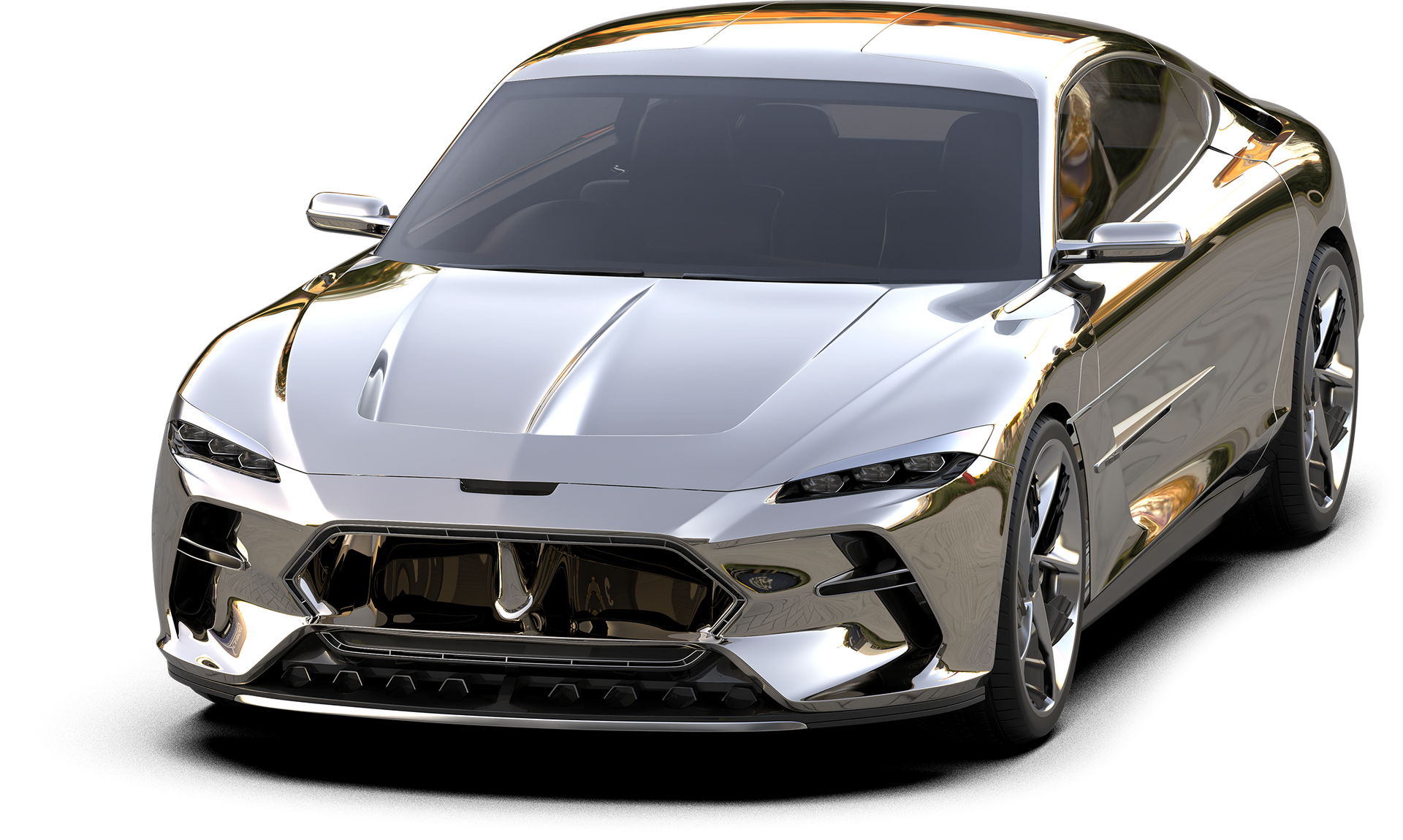
- Custom aesthetics, with hundreds of finishes available including gloss, matte, satin, chrome, brushed metal, and color-shift
- Mobile advertising, turning every vehicle into a rolling billboard that generates local impressions at no recurring cost
- Reversibility, allowing owners to remove or update the wrap without affecting original factory paint
- Low maintenance, reducing the need for frequent washing and eliminating waxing altogether
These benefits make vinyl wraps practical for daily drivers, personal vehicles, and commercial fleets operating throughout eastern North Carolina.
How Vehicle Wraps Work
The Materials
Vinyl used in vehicle wraps is a flexible, pressure-sensitive film made from PVC (polyvinyl chloride). It adheres to the vehicle’s surface without permanently bonding to the factory paint, which allows for clean removal when the film is properly installed and removed by a qualified installer.Premium vinyl films use a multi-layer construction: a colored or printed face film, a protective clear laminate, and a repositionable adhesive backing. The quality of each layer directly determines how the wrap performs over time in terms of color stability, conformability around curved surfaces, and resistance to edge lifting.
The Installation Process
Vehicle wrap installation involves several distinct stages. The vehicle must be thoroughly cleaned and chemically decontaminated before any film is applied. Installers work panel by panel, applying heat to stretch the vinyl around curves and recesses. Seams are positioned in low-visibility areas, and edges are either wrapped into door jambs or trimmed with precision.Surface preparation and a temperature-controlled environment are non-negotiable factors. Film applied over contaminated surfaces or in inadequate conditions will fail prematurely regardless of material quality.
What to Expect Before and After Installation
Before installation, customers select their preferred wrap film, finish, and design. The vehicle undergoes a surface inspection to confirm the factory paint is in suitable condition for wrapping.During installation, customers should expect:
- Panel-by-panel application, with heat used to conform the film around curves and body lines
- Seam placement in low-visibility areas for a clean, seamless finish
- Edge work into door jambs or precisely trimmed for long-term adhesion
Once installed, the wrap is inspected for surface consistency, edge adhesion, and finish uniformity before the vehicle is returned.
Wrap Lifespan and Long-Term Performance
Expected Lifespan
A wrap’s lifespan depends on four variables: film quality, installation precision, vehicle usage patterns, and climate exposure. In Wilson’s environment, defined by high summer UV, heat, and sustained humidity, these factors carry more weight than they would in milder climates.Premium cast vinyl wraps, properly installed, typically maintain their appearance for several years before visible aging, such as edge lifting, print fading, or surface hazing, becomes apparent. Vehicles stored outdoors consistently will age faster than those kept under cover.
Film Type Matters for This Climate
Not all vinyl films perform equally, and the manufacturing method is one of the most significant differentiators.Cast vinyl is produced by spreading a liquid PVC compound onto a casting sheet and curing it into a thin, dimensionally stable film. Because the material is not mechanically stretched during production, it retains its shape after installation, conforms reliably to complex curves and recesses, and resists shrinkage over time. Cast vinyl is the appropriate material for full vehicle wraps.Calendered vinyl is produced by pressing PVC through a series of rollers, resulting in a thicker and less conformable film. In a general sense, calendered films may be more prone to shrinkage and edge lifting over time, depending on the manufacturer and specific product construction. For vehicle applications involving significant contours, cast vinyl is the technically sound choice.For branded vehicle graphics, the print substrate affects color accuracy, UV resistance, and long-term graphic integrity. In a general sense, unlaminated or lower-tier print films may experience surface degradation and color shift over time, depending on the manufacturer. Premium overlaminate films engineered specifically for vehicle environments are designed for color stability and surface durability under the UV intensity and humidity levels common to eastern North Carolina.
Maintenance Practices
Wrapped vehicles require adjusted care routines compared to standard painted surfaces:
- Hand wash only, using mild, non-abrasive soap and soft microfiber cloths. Avoid directing high-pressure rinse at seams and wrapped edges.
- Avoid petroleum-based cleaners, which degrade vinyl and compromise adhesive integrity.
- Do not wax a wrapped finish. Wax accumulates in textured surfaces like matte and satin and is difficult to remove without damaging the film.
- Remove contaminants promptly. Bird droppings, tree sap, and fuel spills can stain or etch vinyl if left unaddressed.
For drivers seeking to reduce ongoing maintenance, a ceramic coating applied over the wrap creates a hydrophobic surface layer that makes the wrap significantly easier to clean and more resistant to environmental staining between washes.
Vehicle Wraps Built for Wilson, NC
Vehicle wraps in Wilson require more than basic vinyl installation. Eastern North Carolina’s heat, humidity, and road conditions quickly reveal the weaknesses of inferior film and poor installation practices.Level 12 Signs & Graphics specializes in vehicle wrap solutions designed specifically for this climate and community.Our services include:
- Custom vehicle wraps and graphics for personal and commercial vehicles
- Fleet branding and mobile advertising solutions for eastern NC businesses
- Full and partial wrap installations using premium cast vinyl
- Paint protection wraps shielding factory finishes from UV, debris, and contaminants
- Professional consultation to match the right film and finish to your vehicle and goals
serving clients in Wilson, Clayton, Goldsboro, NC, and the surrounding areas.
VEHICLE WRAPS
Choose from 100+ wrap designs that make your car stand out and keep the factory paint safe from sun damage and scratches.
VINYL WRAP
Vinyl (PVC) is a thin, flexible film that changes your vehicle’s look without harming the original paint. It guards against UV rays, chips, and dings—and installs in just a day or two, unlike paint jobs that take weeks.
WHY VINLY WRAPS?
EXTRA PROTECTION
Vinyl wraps protect your car from UV rays, bird droppings, sap, and light scratches. However, vinyl can fade over time without extra protection like a ceramic coating.
For better durability, adding a ceramic coating is recommended.
Low Maintenance shine
Vinyl wraps reduce the need for frequent washes and eliminate the need for waxing. Adding a hydrophobic ceramic coating helps keep your car cleaner for longer by repelling water and dirt.
Your Custom Style
Wraps come in matte, gloss, and more—Level 12 offers hundreds of options to make your car stand out.
Frequently Asked Questions
Does a vehicle wrap damage original paint?
A professionally installed and removed wrap does not damage factory paint that is in sound condition. The adhesive is designed to release without leaving residue or lifting a clear coat. Paint that is already compromised, peeling, heavily oxidized, or repaired with non-OEM materials, may be affected during removal.
Will a wrap cover scratches or dents?
A wrap will not hide surface damage. Vinyl conforms closely to the underlying surface and will visually emphasize texture irregularities rather than conceal them. Any existing damage should be corrected before installation.
Can a wrap be applied to any vehicle?
Most passenger vehicles, trucks, vans, trailers, and commercial equipment are suitable candidates. Vehicles with significant body damage, poorly adhered repaint work, or surface rust may not be appropriate. A pre-installation surface inspection determines whether a vehicle is ready for wrapping.
Do I need to update my vehicle registration after a color wrap in NC?
North Carolina generally requires vehicle registrations to reflect the current exterior color. A full color-change wrap may require updating the registered color through the NC Division of Motor Vehicles. Reflective or mirror-finish wraps on certain surfaces may also carry restrictions worth confirming beforehand.
How does Wilson’s climate affect a wrap over time?
Eastern North Carolina’s combination of high UV index in summer, sustained humidity, and temperature swings accelerates degradation in lower-quality films. Premium cast vinyl from established manufacturers is the appropriate material for this climate. Adding a ceramic coating provides an additional layer of UV and environmental protection that extends wrap performance in demanding outdoor conditions.